Behaviour Management & Modification and Social Skills Education
Behaviour is Communication
“She works exceptionally well with students that others have given up on.”
Dr. Karen Harper – Psychologist
Click here to view the complete LOR
I believe that every behaviour—especially challenging ones—is a message. It’s often a call for control, connection, or understanding. My behavior modification approach begins with student buy-in: not just managing behaviour, but partnering with the individual behind it.

When children feel powerless, behaviour becomes a way to reclaim control. I respond by offering meaningful choices, clear expectations, and opportunities for autonomy. My style encourages students to recognize and analyze their own feelings, guiding them toward self-awareness and self-regulation.
I help each child discover calming strategies that work for them—because no two individuals are the same. Whether it’s a sensory tool, a quiet space, or a creative outlet, I support personalized methods that empower students to navigate their emotions with confidence.
Behaviour management, to me, is not about compliance—it’s about connection, dignity, and growth.
Social Emotional Learning: A Global Imperative
Social Emotional Learning (SEL) is more than a framework—it’s a vital response to the emotional challenges facing people across the globe. As anxiety, depression, and disconnection rise, SEL offers tools for self-awareness, empathy, and meaningful social interaction.
I’ve worked extensively in this space as a teacher, life coach, and collaborative partner with educators and staff—supporting both children and adults in developing emotional literacy, behavioural insight, and personalized strategies for self-regulation. My work spans classrooms, homes, and community settings, always rooted in dignity, agency, and growth.
Behaviours-SEL and Autism: Individualized Support for Emotional Growth
Social Emotional Learning (SEL) offers transformative support for individuals with autism, helping them navigate emotional regulation, social interaction, and self-awareness—areas often impacted by the neurodevelopmental nature of autism spectrum disorder (ASD). Research shows that SEL, when adapted to individual strengths and communication styles, can significantly improve emotional understanding, social skills, and behavioral outcomes.
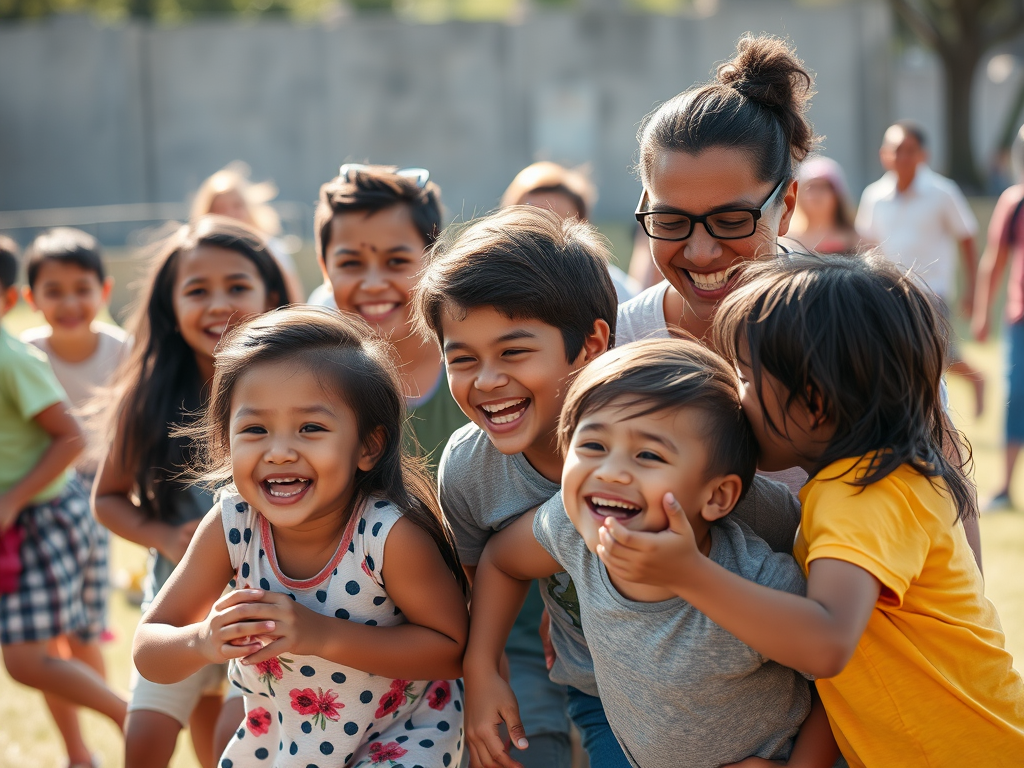
As a teacher, life coach, and collaborative partner with educators and staff, I’ve worked closely with both children and adults on the spectrum. My approach centers on dignity, choice, and personalized strategies. I use tools like self-discovery, meditation, positive self-talk, and guided reflection to help individuals build emotional literacy. For children, I incorporate dramatic play, social games, and community participation to foster connection and confidence. Modeling, repetition, and inclusive routines support growth across settings—whether at home, in school, or in public spaces.
Children and adults with autism often experience challenges in interpreting social cues, expressing emotions, and managing sensory overload. SEL helps bridge these gaps. According to the Collaborative for Academic, Social, and Emotional Learning (CASEL), SEL competencies—like self-awareness, self-management, and relationship skills—can be explicitly taught and practiced to support long-term emotional resilience.
By honoring each person’s unique way of experiencing the world, SEL becomes a tool not just for learning, but for healing. My work is rooted in the belief that behaviour is communication—and with the right support, every individual can thrive.
“Christle routinely seeks out additional information and educational opportunities to expand her knowledge base, thus creating professional connections and resources for families, staff, students, and other professionals. Christle is also adept at behavior management and successfully leads our teams in interventions which significantly reduce unwanted behaviors while maintaining relationships with students and families.”
Dr. Christine Camp – Christine Camp Ph.D., CCC-SLP
Click here to view complete LOR
SEL in Action: Supporting Children and Adults
My approach includes self-discovery, meditation, positive self-talk, guided reflection, modeling, and practice through dramatic play and acting. I incorporate community inclusion and participation—especially for children—alongside social games and interactive experiences that foster connection and emotional growth. These strategies are tailored to each individual, honoring their unique needs and strengths.
SEL isn’t just how we grow—it’s how we heal, together.
 Christle Hart's Professional Portfolio